A few years ago, memes lived in the corners of the internet.
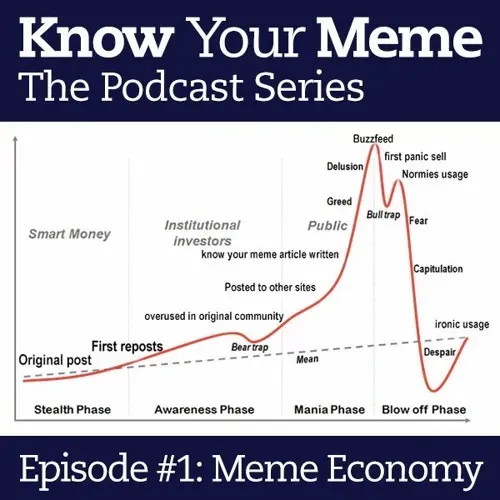
Today, they move markets.
Over the last few months, social media has been flooded with trends that seem absurd on the surface. "Aura Farming" clips have generated hundreds of millions of views. AI-generated "Italian Brainrot" characters have spread across Instagram, TikTok, and X. Random catchphrases have become cultural moments overnight. Most people consume these trends as entertainment and move on.
Businesses don't.
Because every viral trend reveals something far more valuable than engagement: attention. And attention has quietly become one of the most important currencies in modern business. Consider what happens every time a meme explodes online. Within hours, brands begin referencing it. Creators produce variations of it. Agencies build campaigns around it. Startups use it to increase reach. What looks like a joke on your feed often becomes a marketing strategy inside a boardroom.
The reason is simple. Traditional advertising is becoming easier to ignore. Consumers scroll past ads, skip videos, and block promotions. Memes, on the other hand, arrive disguised as culture. People don't feel like they're being marketed to, even when they are.
This is why some of the most effective marketing campaigns today look nothing like marketing.
The best brands have realized that internet culture moves faster than corporate planning cycles. By the time a trend appears in a presentation deck, it is usually already dead. Relevance now depends on speed, context, and an understanding of how people communicate online.
What makes this shift particularly interesting is that memes are no longer just helping companies sell products. They are shaping entire businesses.
Creators are building audiences around internet culture. Newsletters are emerging from niche online communities. Consumer brands are being discovered through memes before they are discovered through advertising. Even startup founders are spending more time building online presence because they understand that distribution often matters as much as the product itself.
The internet has changed the order of operations. For decades, companies built products and then searched for attention. Today, many businesses are building attention first.
The product comes later.
Startup Unplugged Perspective
The most successful companies of the next decade may not be the ones with the biggest marketing budgets. They may be the ones that understand culture best.
Every generation has its own language. Today's language happens to be memes, creators, communities, and short-form content. Businesses that dismiss these as distractions risk missing how consumer behaviour is evolving in real time.
The next great startup opportunity might not emerge from a boardroom or a consulting report.
It might emerge from a trend that most people laughed at and scrolled past.
Share your take
What's the bigger competitive advantage today: building a better product than everyone else, or understanding internet culture before everyone else does?
Written by
Team Startup Unplugged