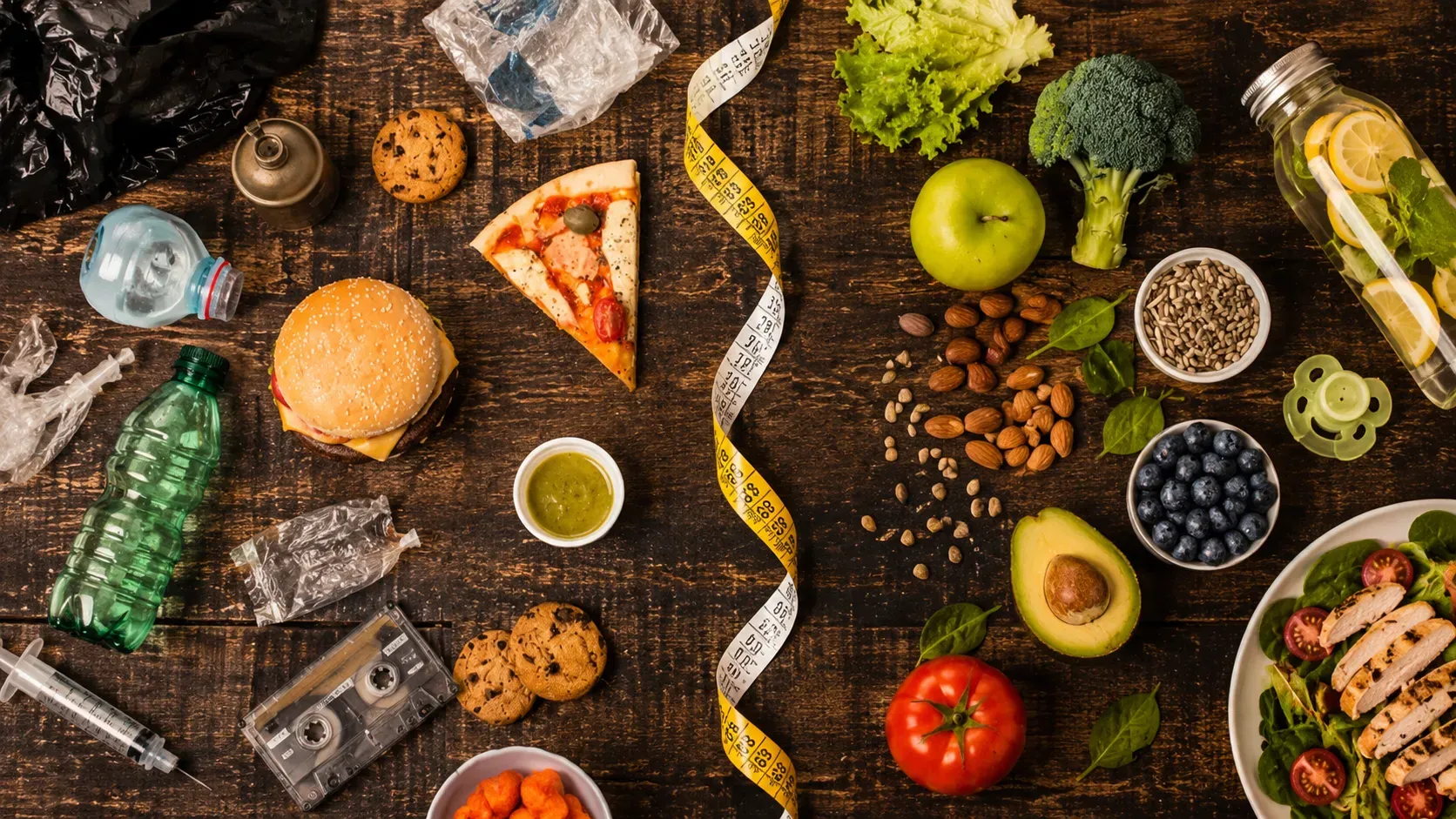
A few years ago, the health-food aisle in a supermarket was easy to identify. It was usually a small corner filled with products that looked worthy rather than desirable. The packaging was plain, the choices were limited, and the target customer seemed to be someone preparing for a marathon or following a strict diet plan.
Today, that aisle has taken over the store.
Protein bars sit next to chocolate bars. Millet chips compete with traditional snacks. Low-sugar beverages occupy shelf space once dominated by soft drinks. Brands like The Whole Truth, Yoga Bar, Slurrp Farm and several others have transformed what was once a niche category into one of the fastest-growing segments in consumer goods.
What's interesting is that this shift hasn't happened because Indians suddenly became obsessed with nutrition. If that were true, fast-food chains would be struggling and late-night dessert orders wouldn't continue to thrive. Consumer behaviour tells a different story. Most people haven't abandoned indulgence. They've simply become more selective about how they justify it.
That's what makes the rise of modern health brands so fascinating. They aren't necessarily selling health. They're selling a version of health that fits comfortably into existing lifestyles.
The average urban consumer today lives in a contradiction. They spend hours sitting at a desk, order food through an app, complain about lack of sleep, and promise themselves they'll start eating better next Monday. At the same time, they're more informed about nutrition than any previous generation. They know what protein is. They've heard about gut health. They understand the risks of excess sugar. The challenge isn't awareness. It's execution.
The brands winning in this space have recognized that reality. Instead of asking consumers to completely reinvent their habits, they offer smaller, less intimidating upgrades. A protein-rich snack instead of a conventional one. A breakfast option that feels more nutritious. A dessert with fewer ingredients listed on the label. The message isn't that your lifestyle needs to change. The message is that your existing lifestyle can be improved.
That's a far more powerful proposition.
In many ways, the success of these brands reveals something larger about modern consumer culture. People increasingly aspire to be healthier, but they don't necessarily aspire to become different people. They want solutions that fit into their routines rather than disrupt them. Convenience still matters. Taste still matters. Enjoyment still matters. Health has simply joined the list.
This is why the fastest-growing brands in the category often talk less about sacrifice and more about balance. The language has shifted from restriction to improvement. Consumers are no longer being sold a transformation. They're being sold progress.
And perhaps that's why the category continues to grow. Progress feels achievable. Transformation feels exhausting.
Startup Unplugged Perspective
The most successful consumer businesses are often built on a simple observation: people rarely behave the way experts think they should. They behave the way real life allows them to.
The brands that understand this tend to create products that align with human behaviour rather than fight against it. The rise of India's modern health-food ecosystem is a reminder that consumer psychology often matters as much as nutrition science.
Share your take
When you choose a protein bar over a chocolate bar or a millet snack over regular chips, are you making a healthier decision or simply choosing a version of indulgence that feels easier to justify?
Written by
Team Startup Unplugged